
Quick Answer
The most essential beginner tips for Game of Thrones: Kingsroad are learning potion crafting early so you never run dry during tough fights, managing inventory space before it becomes a frustrating bottleneck, assigning potions and key items to quick access slots for mid-combat use, preparing equipment and buffs before challenging encounters, and spending gold and materials conservatively until you understand your main build direction.
Field Notes
- • Start crafting healing and stamina potions as soon as the system unlocks so you always have a buffer for difficult fights.
- • Sell or decompose low-tier gear regularly to prevent inventory fullness from interrupting your progress.
- • Assign healing potions, stamina potions, and key consumables to quick access slots before every major encounter.
- • Repair and upgrade your main weapon and armor before attempting bosses rather than relying on raw skill to compensate.
- • Save rare crafting materials until you have committed to one build direction instead of spending them on experimental setups.

Quick Summary
Game of Thrones: Kingsroad offers a deep action RPG experience with interconnected systems for crafting, inventory, equipment, and combat that can overwhelm new players. This guide focuses on the practical, everyday tips that experienced players wish they had known from the start — from potion crafting and inventory management to quick access setup, combat preparation, and resource prioritization.
Many of these tips come from community discussions and player feedback gathered across early gameplay impressions. They are not revolutionary strategies, but they address the small, consistent friction points that slow down new players or cause unnecessary frustration. Whether you are struggling with a perpetually full inventory, running out of potions mid-dungeon, or wondering why your gold disappears so quickly, this guide covers the essentials. Because Kingsroad is still receiving updates, some menu locations and system details may shift after patches, so always verify specifics in-game.
Essential Tips Every Beginner Should Know
Before diving into specific systems, there are several general gameplay habits that can dramatically improve a new player's experience. These are the kinds of tips that rarely appear in tutorials but make a meaningful difference in day-to-day progression.
First, interact with everything. Kingsroad's open world is filled with gatherable herbs, crafting materials, hidden chests, and environmental details that feed directly into potion crafting and equipment upgrades. Many players have noted that they missed valuable resources simply by not exploring off the main path during early quests. If you see a glowing plant, an unusual rock formation, or a suspicious alcove, investigate it. The materials you gather early will become essential later when potion crafting and upgrade costs increase.
Second, read every tooltip and system explanation the game presents. This may sound obvious, but Kingsroad introduces several mechanics in rapid succession during the early hours, and it is easy to dismiss a tutorial popup without absorbing what it actually explains. Community discussions frequently mention players who missed important mechanics — such as equipment durability, potion stacking limits, or quick access configuration — because they skipped through introductory text. When a new system unlocks, take a moment to read the in-game description before moving on.
Third, resist the urge to experiment with every weapon and skill tree simultaneously. As covered in the beginner mistakes guide, spreading resources across too many directions is one of the fastest ways to slow your progression. Choose one class, one main weapon, and one build direction. Upgrade those consistently. If you want to experiment, do so cautiously with common materials rather than rare ones.
Potion Crafting Guide
Potion crafting is one of the most important systems for new Kingsroad players to learn early, yet it is also one of the easiest to neglect. Many players push through the early game relying on potions found as loot drops, only to realize later that a consistent crafting habit would have saved them from repeated deaths and frustrating retries.
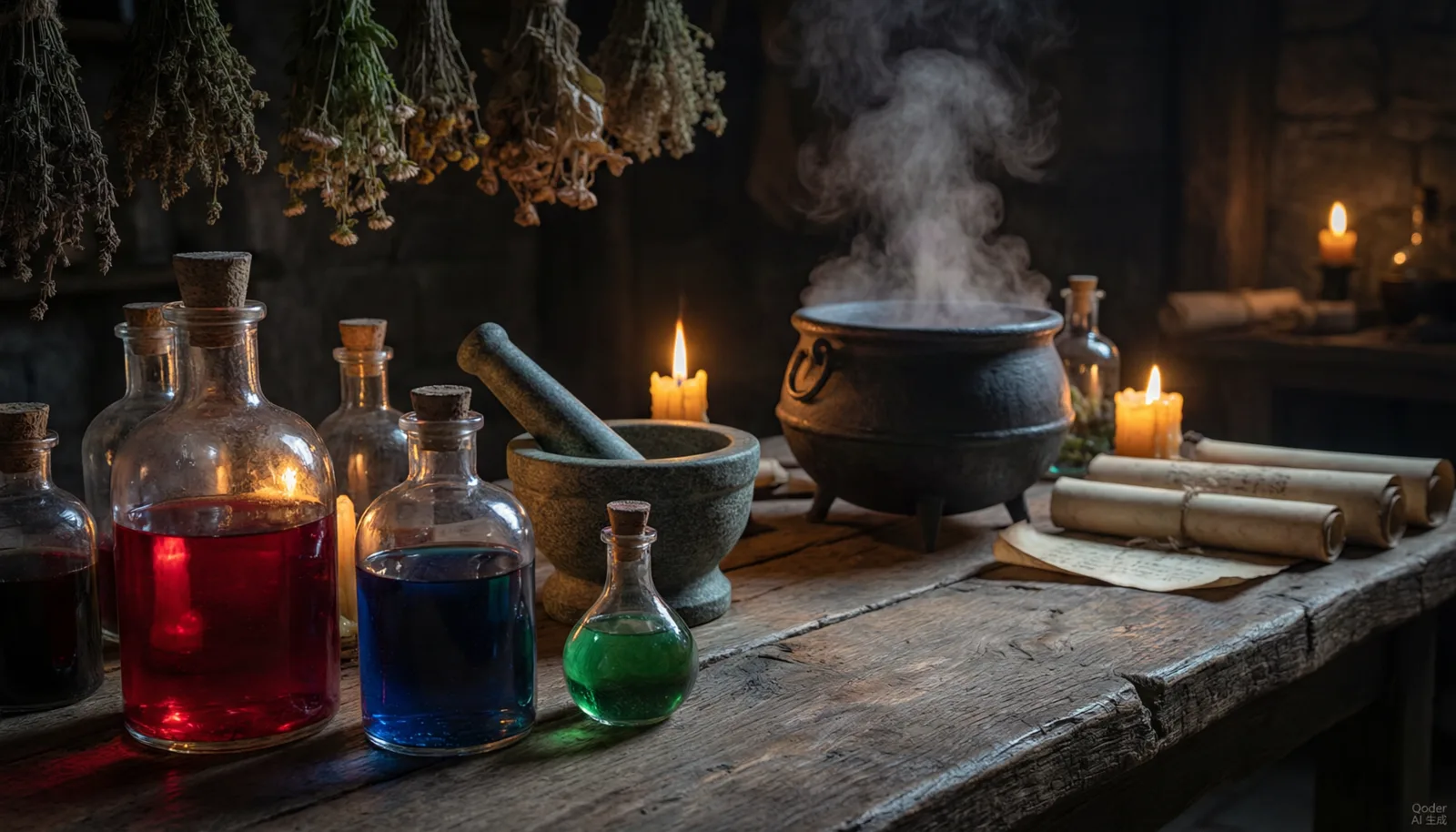
The potion system becomes available as you progress through the early story and unlock the crafting interface. From there, you can create potions using gathered herbs and materials found throughout the open world. The crafting menu shows available recipes, required ingredients, and the effects of each potion. According to experienced players, the system is straightforward once you understand which ingredients correspond to which potion types, and the best approach is to build a habit of gathering herbs during every exploration session.
When deciding which potions to prioritize, healing potions should always come first. They are universally useful regardless of class and directly prevent deaths during tough encounters. After establishing a reliable healing potion supply, focus on stamina potions if you play a melee class like Knight or Berserker, since dodging and blocking consume stamina heavily. For ability-focused builds, mana or energy potions may become important depending on your skill rotation and how frequently you rely on special attacks. Community discussions suggest maintaining a buffer of at least ten to fifteen healing potions before attempting any major boss fight or dungeon.
Finding ingredients is mostly a matter of exploration and habit. Herbs spawn throughout the open world, often near paths, in clearings, or around camp sites. Some rarer ingredients may appear in specific zones or as drops from certain enemies. The most effective strategy is to gather everything you see during normal gameplay rather than making dedicated farming trips. If a particular ingredient is scarce, check whether it appears in areas you have not yet explored or whether it drops from enemies you have not yet encountered. Player discussions suggest that ingredient availability scales somewhat with progression, so materials that feel scarce early may become more common as you unlock new regions.
Inventory Management
Inventory management is perhaps the most frequently discussed pain point among Kingsroad beginners. Community threads about full inventories are among the most common new player discussions, with many players expressing frustration at being unable to pick up loot, complete quests, or craft items because their bags are overflowing. The good news is that a few simple habits can prevent most of this frustration.
Inventory space in Kingsroad is limited, and the game does not always make it obvious how quickly it fills up. Every piece of gear, crafting material, consumable, and quest item occupies slots. As you explore and defeat enemies, your inventory accumulates items steadily, and without regular maintenance, you will hit the cap at the worst possible moment — often during a quest or dungeon where you want to pick up a valuable drop. Experienced players consistently recommend clearing inventory space before starting any major activity.
The most effective approach to inventory management follows a simple hierarchy. First, sell common and uncommon gear that you will never use. If a weapon or armor piece is significantly below your current equipment level and has no special properties, sell it immediately. Second, decompose items that the game allows you to break down into crafting materials. This converts otherwise useless gear into ingredients for potion crafting and equipment upgrades, which is almost always more valuable than the gold you would get from selling. Third, transfer materials that you do not need immediately into storage if the game provides a storage or stash system. This keeps your active inventory focused on items you will actually use during your current session.
One additional tip from community discussions is to establish a regular inventory review routine. After completing a major quest, finishing a dungeon, or returning to a hub area, spend a few minutes sorting through what you picked up. This prevents the backlog from building up and keeps you aware of what materials you have available for crafting. Many players have found that a quick inventory sweep between quests saves significant time and frustration over the long run.
Quick Access Setup
Quick access is a feature that several new players have asked about in community discussions, and it is one of those quality-of-life systems that can significantly improve combat performance once configured properly. The basic idea is simple: assign potions, consumables, and key items to easily reachable slots so you can use them during combat without fumbling through menus.
Assigning items to quick access typically involves opening your inventory or equipment menu and finding the quick access or hotbar configuration option. From there, you can drag or assign specific items to numbered or labeled slots. The exact process may differ slightly between mobile and PC platforms, so check the in-game settings and control options for your specific device. Community feedback suggests that mobile players in particular benefit from configuring quick access carefully, since navigating menus during touch-screen combat can be more cumbersome than on PC with a keyboard or controller.
The recommended quick access layout prioritizes survivability above all else. Healing potions should occupy the most accessible slot — the one you can reach fastest under pressure. Stamina potions should be in the second most accessible slot for melee players who need to dodge frequently. Any class-specific consumables, such as mana potions or buff items, should fill the remaining slots. Some experienced players also recommend keeping a slot open for emergency items such as escape tools or revive consumables if the game provides them. The goal is to minimize the time between recognizing a need and fulfilling it during active combat.
A common mistake with quick access is setting it up once and never updating it. As you progress and unlock new consumables or potions, revisit your quick access configuration to make sure the best available items are assigned. If you switch builds or classes, reassign slots to match your new priorities. A quick access layout that was perfect at level ten may not serve you well at level thirty.
Combat Preparation
Entering a difficult fight unprepared is one of the most common reasons new players feel stuck in Kingsroad. Combat preparation goes beyond simply having a good build — it involves checking your equipment, stocking consumables, and understanding what you are about to face before the battle begins.

A practical pre-combat checklist should become second nature before any boss fight or challenging dungeon. First, verify that your equipment is in good condition. If the game tracks durability or wear, make sure your main weapon and armor are repaired. Entering a boss fight with degraded equipment is an unnecessary handicap that many new players discover only after a frustrating loss. Second, check that your quick access slots are stocked with freshly crafted potions. Running out of healing potions mid-fight is one of the most preventable causes of failure. Third, review your active skills and buffs. If you have recently changed your build or unlocked new abilities, take a moment to make sure your skill bar is configured correctly and that you understand any new mechanics before the fight starts.
Buff management is another aspect of preparation that experienced players emphasize. If the game provides temporary buffs from food, potions, or environmental effects, apply them before engaging rather than trying to activate them during the chaos of combat. Some buffs may have long cooldowns or limited duration, so timing matters. Community discussions suggest that pre-buffing can make a noticeable difference in difficult encounters, especially when combined with well-timed potion use.
Equipment maintenance also ties into the broader resource management picture. Upgrade materials should be focused on your main weapon and armor, as discussed in the best beginner build guide. If you are about to face a boss that deals a specific type of damage, consider whether any available equipment or consumable provides resistance. This level of preparation is not always necessary for standard encounters, but it can turn an impossible-seeming boss fight into a manageable challenge.
Resource Management for Beginners
Gold and crafting materials are the lifeblood of progression in Kingsroad, and new players often find themselves running short because of unfocused spending habits. The principles of good resource management are straightforward but easy to overlook when the game presents constant upgrade opportunities and tempting shop items.
Gold management for beginners follows a simple rule: spend on what directly supports your main build, and save the rest. Your main weapon and core armor pieces should receive the majority of your gold investment. Upgrades to these items have the most direct impact on combat performance, and a focused upgrade path is almost always more effective than spreading gold across multiple weapons or experimental builds. Community discussions consistently warn against buying cosmetics, convenience items, or speculative gear before your core equipment is adequately upgraded.
Material prioritization requires a slightly different approach. Common materials can be spent relatively freely on potion crafting and basic upgrades. Rare materials, however, should be saved until you have committed to a clear build direction. Spending rare materials on an experimental weapon that you abandon after a few hours is one of the most painful setbacks for new players. According to experienced players, the best approach is to stockpile rare materials until you know exactly what you want to craft or upgrade, then spend them with confidence.
The question of what to save versus what to spend comes up frequently in player discussions. As a general guideline, sell common gear drops that are below your current level, decompose uncommon items into crafting materials, and hoard rare materials until you have a plan. Consumables that you find as loot should be used freely — there is little benefit to saving potions for a hypothetical future fight when they could prevent deaths right now. For a more detailed breakdown of resource priorities, the F2P guide covers spending strategies in greater depth.
Common Beginner Mistakes
Many of the tips in this guide connect directly to broader mistakes that new players make in Kingsroad. The common mistakes guide and the beginner mistakes guide cover these topics in more detail, but it is worth summarizing the most relevant overlaps here.
Neglecting potion crafting until a difficult fight forces the issue is one of the most common regrets among new players. Potion crafting is not a side system — it is a core survival tool. Players who invest time in gathering herbs and maintaining a potion stock consistently report smoother progression than those who rely solely on loot drops. Similarly, ignoring inventory management until your bags are completely full creates unnecessary interruptions. A few minutes of regular inventory maintenance can prevent the frustration of being unable to pick up valuable items during critical moments.
Spending resources without a plan is another recurring theme across both guides. Gold, rare materials, and upgrade components are all finite resources that become more valuable as you progress. Every purchase or upgrade should support a clear purpose. If you cannot articulate why you are upgrading a specific item, it is probably better to wait. The beginner guide provides a broader framework for early-game decision-making that complements these practical tips.
Failing to prepare for combat encounters is the final major overlap. Many new players rush into boss fights immediately after reaching them, without checking equipment condition, restocking potions, or configuring quick access. A few minutes of preparation can make the difference between a clean victory and a frustrating series of defeats. For players interested in optimizing their overall approach, the how to level fast guide covers efficient progression strategies that incorporate all of these habits.
Related Guides
These guides cover complementary topics that build on the tips discussed here. If you are a new player, reading through two or three of them will give you a solid foundation for efficient progression.
- Beginner Guide — A broad overview of early-game priorities, class selection, and progression habits.
- Beginner Mistakes to Avoid — A detailed breakdown of the most common errors new players make and how to avoid them.
- Common Beginner Mistakes — Additional mistakes covering settings, resources, and build decisions.
- Best Beginner Build — A low-risk starting build designed for new players who want a stable foundation.
- How to Level Fast — Efficient leveling strategies that work alongside good resource management.
- F2P Guide — A comprehensive guide to progressing without spending money.
- Endgame Guide — What to expect and how to prepare for late-game content.
- Best Settings — Optimize your camera, UI, performance, and controls for the best combat experience.
Last Updated: 2026-06-08
Guide Navigation
Continue Reading
Classes
7 min readBest Class in Game of Thrones: Kingsroad – Tier List, Builds & Beginner Picks
Find the best class in Game of Thrones: Kingsroad by player type, including beginners, solo players, mobile players, damage-focused players, and survivability-focused players.
Classes
7 min readGame of Thrones: Kingsroad Class Tier List
A current Game of Thrones: Kingsroad class tier list for Assassin, Knight, and Berserker, ranked for damage, survivability, progression, mobility, and beginner comfort.
Beginner
6 min readGame of Thrones: Kingsroad Beginner Guide
A careful early-game beginner guide for Game of Thrones: Kingsroad players, focused on progression habits, build safety, combat basics, settings, and what to verify in-game.
Beginner
1 min readCommon Beginner Mistakes in Game of Thrones: Kingsroad
Common early mistakes in Game of Thrones: Kingsroad and how new players can avoid wasting resources, time, and progression momentum.
FAQ
How do I craft potions in Game of Thrones: Kingsroad?
Potion crafting becomes available as you progress through the early story. Open the crafting menu, select the potion you want to make, and use gathered herbs and materials as ingredients. Community discussions suggest prioritizing healing potions first, then stamina or mana potions depending on your class.
What should I do when my inventory is full?
When your inventory is full, sell common and uncommon gear you no longer need, decompose items into crafting materials where possible, and transfer useful materials to storage if the game provides it. Experienced players recommend clearing inventory space before starting any major quest or dungeon run.
How do I assign items to quick access in Kingsroad?
Open your inventory or equipment menu, find the quick access or hotbar assignment option, and drag or assign potions and consumables to available slots. The exact controls may differ by platform, so check in-game menus and settings for your specific device.
What should beginners spend gold on first?
Beginners should spend gold on upgrading their main weapon and core armor pieces before anything else. Avoid spending gold on cosmetics, experimental builds, or consumables that can be crafted. Community feedback suggests saving a gold reserve for emergency repairs and essential upgrades.
Which potions are most important for beginners?
Healing potions are the highest priority for all beginners because they directly prevent deaths. Stamina potions are the next priority for melee classes that rely on dodging and blocking. Mana or energy potions may be important for ability-heavy builds depending on your class choice.